
Your living room is more than just a place to relax. It's where you welcome guests, spend time with loved ones and express your personal style. The right artwork can transform this space, bringing personality, warmth and character to your home.
Unlike mass-produced prints, original paintings bring individuality, texture, depth and a personal connection to the artist behind the work.
But with so many sizes, styles and colours to choose from, how do you find the perfect piece?
Whether you're refreshing your interiors or decorating a new home, this guide will help you choose living room artwork that complements your space and reflects your personality.
1. Choose the Right Size Artwork for Your Living Room
One of the most common mistakes when choosing wall art is selecting a painting that is too small for the available space. The right proportions can make your room feel more balanced and thoughtfully designed.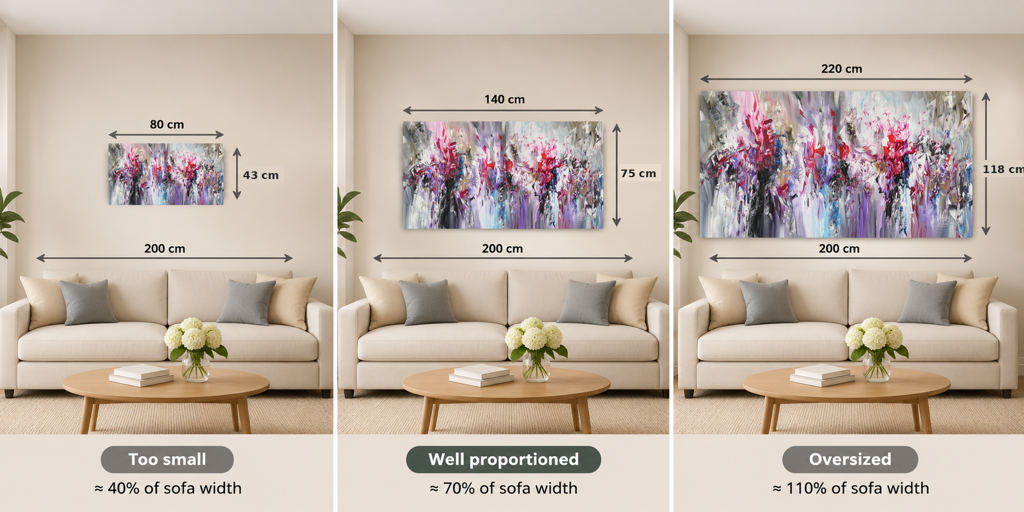
Artwork above a sofa or sideboard
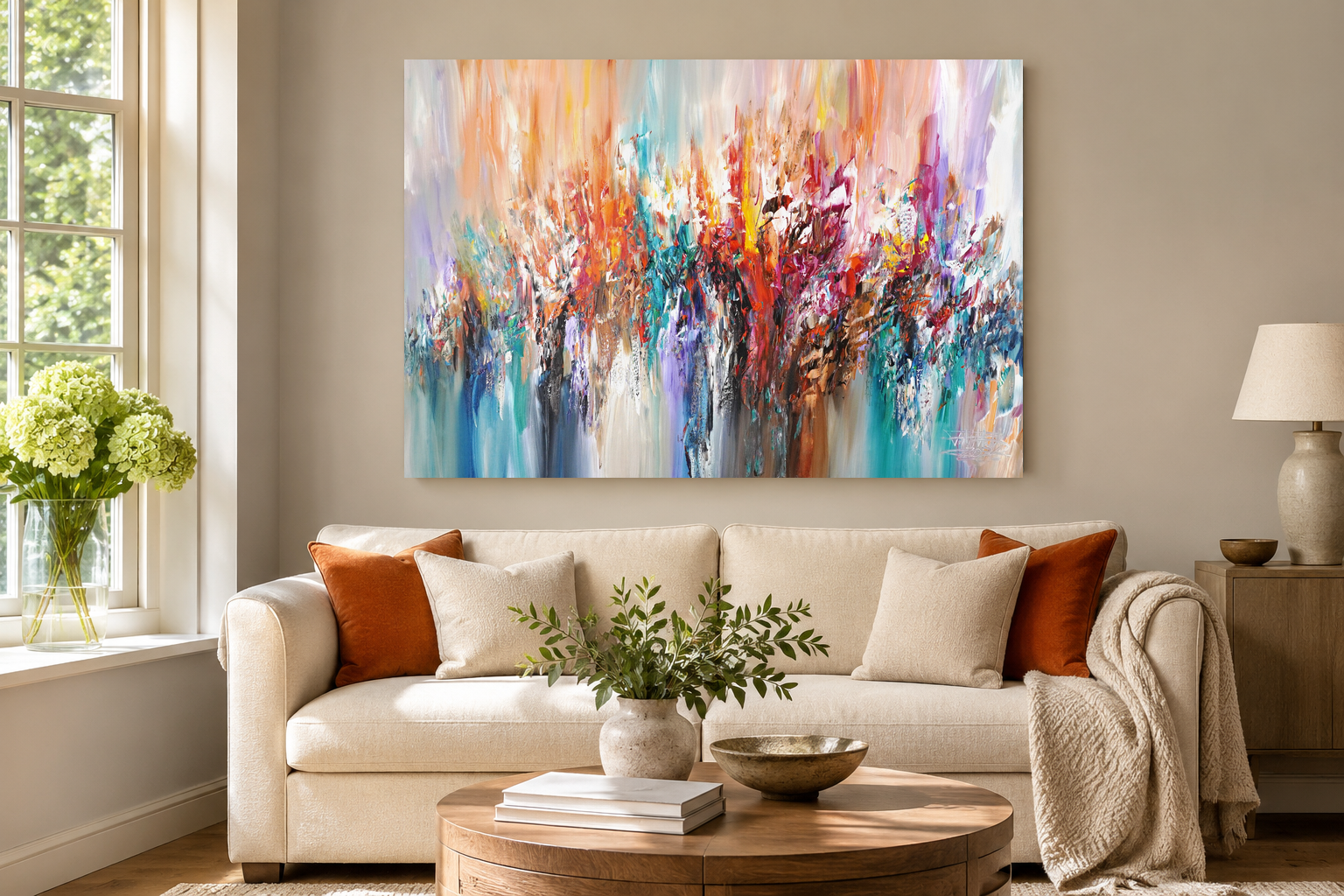
As a general rule, your artwork should span approximately 60% to 75% of the width of the furniture beneath it.
For example, if your sofa is 200 cm wide, consider a painting or collection of artworks measuring between 120 cm and 150 cm in total width.
Artwork for large, empty walls
If you have a spacious blank wall, consider a large statement painting or a carefully arranged gallery wall. Aim to occupy around 50% to 70% of the available wall width as a starting point, depending on your furniture and room layout.
How high should you hang living room artwork?
For most spaces, the centre of your artwork should sit approximately 145–150 cm from the floor.
When hanging a painting above a sofa, aim to leave around 15–25 cm between the top of the sofa and the bottom of the artwork.
These are guidelines rather than strict rules, so adjust the placement to suit your room.
2. Find an Art Style That Complements Your Living Room
The artwork you choose can influence the entire mood of your living room. Think about how you want the space to feel - calm and inviting, bold and expressive, or sophisticated and timeless.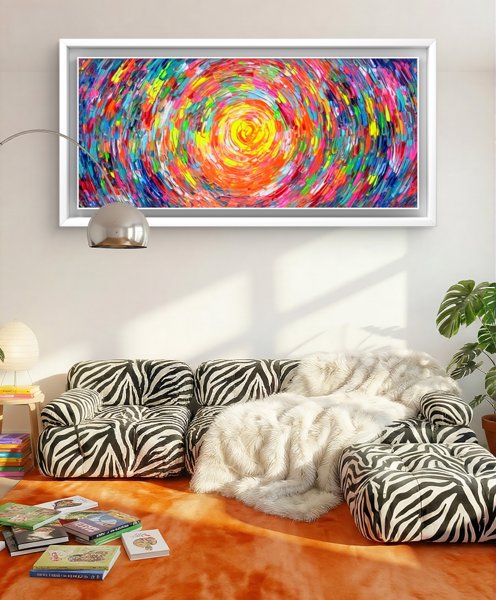
Modern and minimalist living rooms
Large abstract paintings can introduce visual interest without overwhelming a minimalist interior. Look for expressive brushstrokes, subtle textures and balanced compositions.
Classic and traditional living rooms
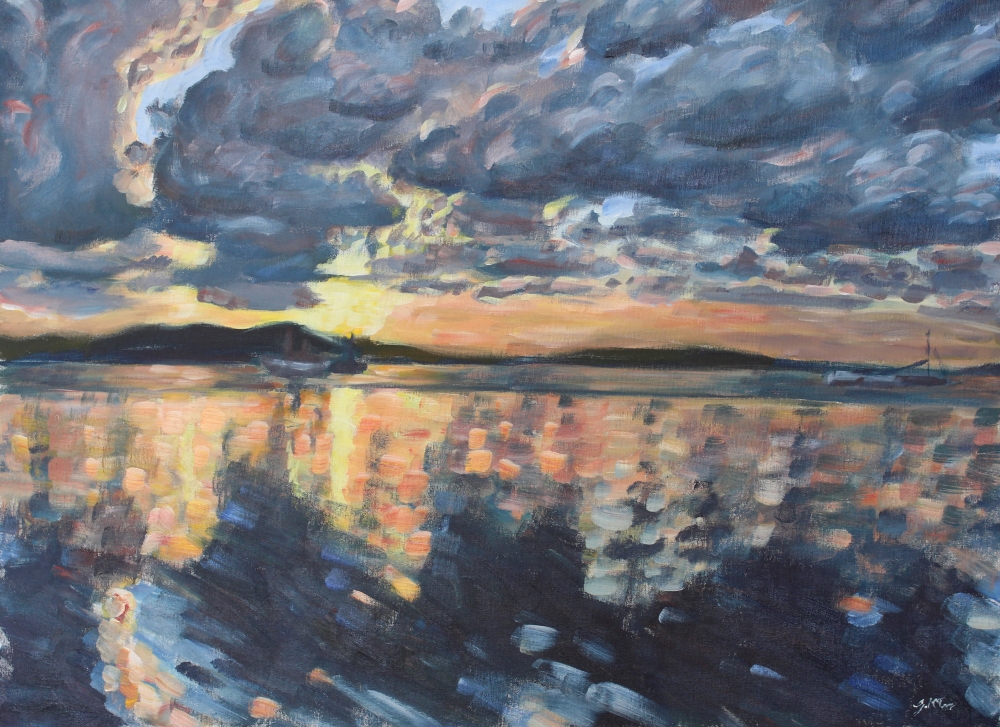
Impressionist landscapes, still life paintings and traditional oil paintings can bring warmth and timeless character to classic interiors.
Eclectic and contemporary living rooms
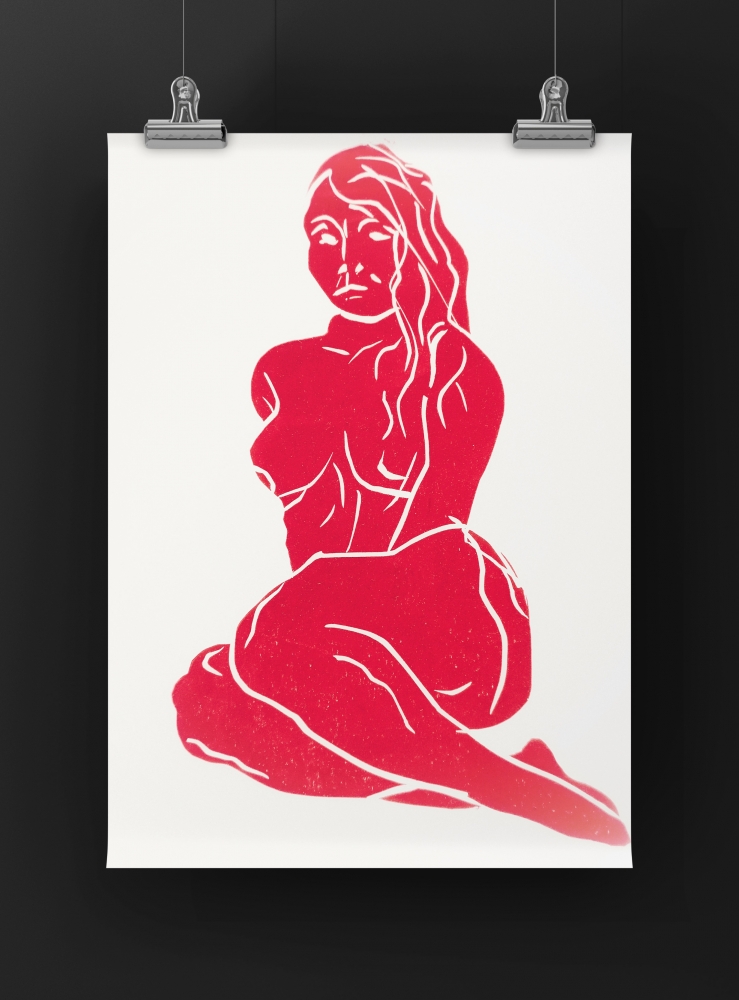
Bold contemporary portraits, geometric artwork and expressive figurative paintings work beautifully alongside vintage and mid-century furnishings.
3. How to Choose Artwork That Matches Your Living Room Colours
Your artwork doesn't need to match your furniture perfectly. In fact, introducing unexpected colours can make your space feel more personal and visually interesting.
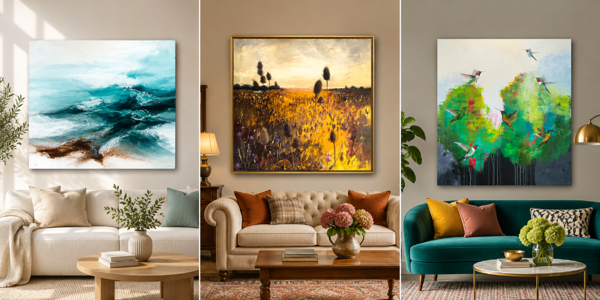
There are two simple approaches to choosing the right colour palette.
Create contrast with bold artwork
If your living room features neutral shades such as cream, grey or taupe, a colourful painting can become a striking focal point. Consider rich blues, vibrant reds or jewel tones to introduce energy and personality.
Create harmony with complementary colours
Choose a painting that incorporates one or two accent colours already present in your room, whether in your cushions, curtains or rugs. This creates a cohesive look without making the space feel overly coordinated.
The key is to choose artwork you genuinely love rather than simply matching it to your décor.
4. Create a Focal Point with Statement Artwork
A statement painting can completely transform the look and feel of a living room. Whether it's a large abstract canvas, a dramatic landscape or an expressive portrait, a single piece of original art can bring an entire room together.
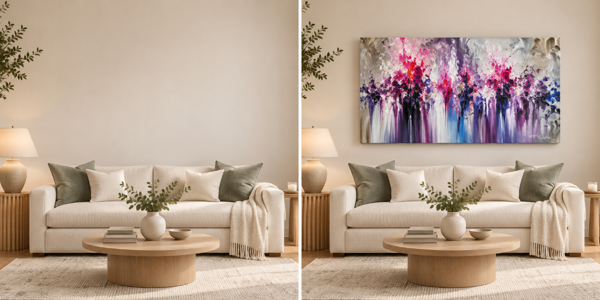
If your interiors are relatively simple, consider choosing one large painting rather than several smaller pieces. This allows the artwork to become the natural focal point of the room.
Alternatively, a gallery wall featuring smaller original paintings can create a more layered and personal aesthetic.
5. Consider Lighting and Framing
The way you display your artwork is just as important as the piece itself. Thoughtful lighting and framing can enhance its colours, textures and details.
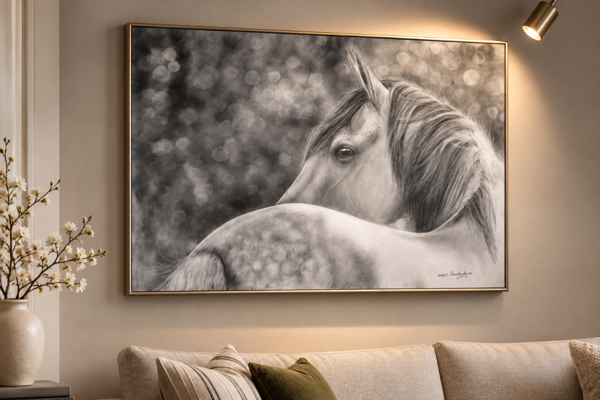
Lighting your artwork
Directional spotlights or adjustable ceiling fixtures positioned at approximately a 30-degree angle can help highlight the texture of a painting while reducing glare.
Avoid displaying original artwork in direct sunlight, as prolonged UV exposure can cause colours to fade over time.
Choosing the right frame
Floating frames, also known as tray frames, can beautifully complement contemporary stretched canvases. Traditional wooden or gilded frames often work well with classic oil paintings.
Some original canvases can also be displayed without a frame, creating a clean and contemporary finish.
6. Discover Original Artwork for Your Living Room
At ArtGallery.co.uk, we believe that finding the right artwork should be an enjoyable and inspiring experience.
From bold abstract paintings and contemporary portraits to peaceful landscapes and timeless still life compositions, explore a diverse collection of original artwork and find a piece that feels right for your home.
Shop Abstract Art here →
Shop Landscape Art here →
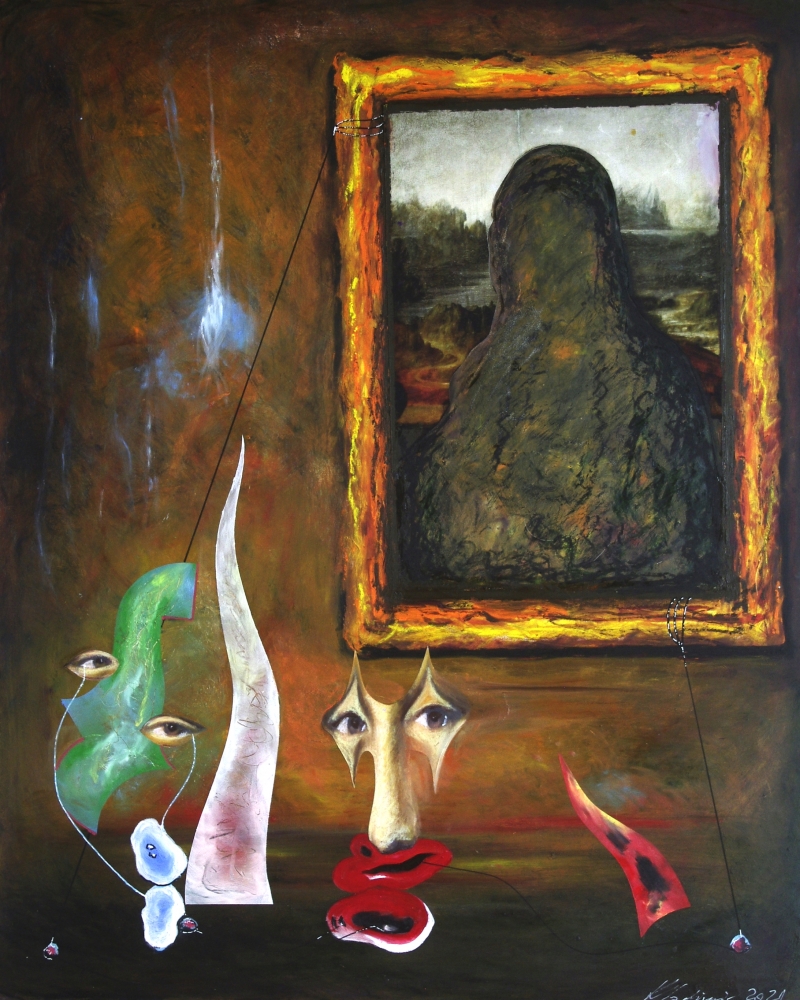
Shop Surrealistic Art here →